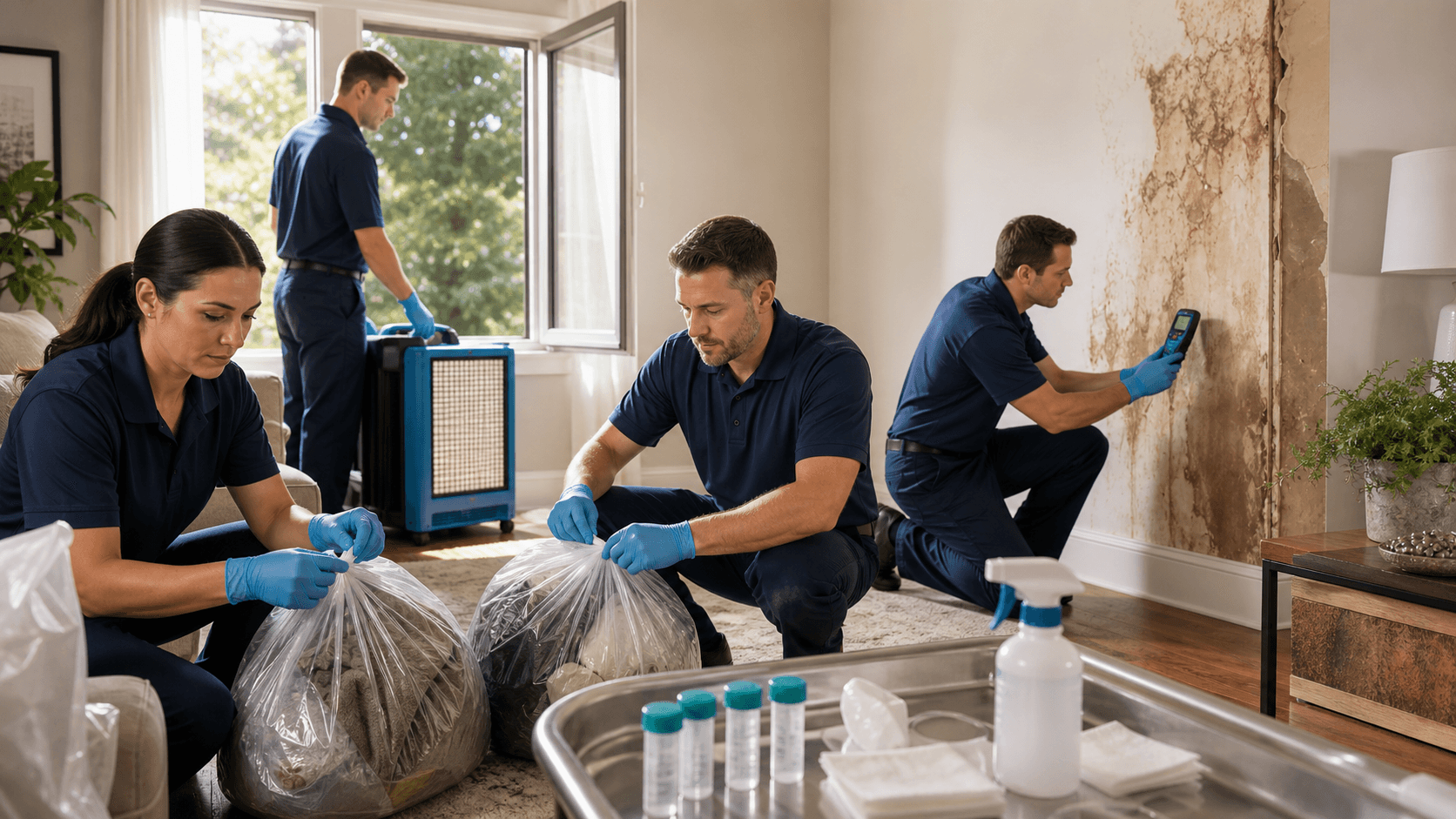
Hoarding is not always what it appears from the outside. It might look like stacks of boxes, bags, and old furniture. But underneath, something more serious could be hidden. What seems like clutter can cover up significant risks to health and safety, especially when human waste, mold, or pests are involved.
This is often where biohazard cleanup is required. These are not just messy homes. They can be hazardous environments with bacteria and toxins. When waste sits unnoticed for long periods, it is more than just an odor problem. It becomes a serious threat.
In places such as Metro Detroit, spring brings more than blooming trees and warmer air; it also brings water. Flooding and humidity can worsen conditions inside homes impacted by hoarding for years. Mold spreads more quickly. Odors become stronger. Problems move from hidden to hazardous.
Why Hoarded Spaces Can Become Hazard Zones
A hoarded home does not just hold onto things; it keeps moisture, waste, and rot. When airflow is blocked and sunlight does not reach certain areas, problems build over time without much warning. Long before anyone notices, those problems may already be dangerous.
Here are some reasons why hoarded spaces are risky to health:
Piles of items can trap water from leaks or basement flooding, allowing mold and mildew to thrive
Human feces and urine may be present, especially if plumbing is not working or trips to the bathroom are difficult
Food waste and garbage left in corners attract insects and rodents, which leave droppings as they move through the home
It is easy for these conditions to remain unseen. Rugs and furniture cover stains. Stacked boxes keep odors trapped. By the time someone realizes what is underneath, problems may have already spread beyond control.
When Odors Point to Something Worse
Sometimes, the first sign of a problem is an odor. Strong odors do not appear without reason. They usually have a source that needs to be identified, and often that source is worse than expected.
During spring, unpleasant smells only intensify. As the ground softens and the air grows humid, odors trapped during Detroit's cold winter months rise to the surface. Moist air encourages bacteria to grow, and makes mold harder to overlook.
Regular air fresheners or scented cleaners may mask odors temporarily, but they do not remove them. Here are some reasons why those odors persist:
Odors can come from human waste soaked into carpet, baseboards, or even subfloors
Large piles can trap odors below, making them difficult to eliminate without moving everything
Mold and bacterial growth often spread behind walls or under furniture, where basic cleaning will not reach
If something smells unpleasant and keeps getting worse, it is usually a sign that more is occurring than simply forgotten trash.
Why Standard Cleaning Isn't Enough
It is tempting to put on gloves, open windows, and start scrubbing. However, what is inside many hoarded homes cannot be wiped away with a mop or covered by a fresh coat of paint.
Once damage sets in, it runs deep. Waste and contaminants do not just remain on the surface. They soak in, spread out, and allow harmful bacteria to persist where most people cannot see or access.
Some reasons standard cleaning does not work in these situations:
Human waste may have seeped into flooring or soaked into porous furniture
Spoiled food and mold can hide behind cabinets or inside wall cavities
Many of these hazards require protective gear even for basic handling
Touching or attempting to move these items without proper protection can release harmful particles and cause serious health problems. Odors may worsen, and mold spores could spread through the air. Cleaning without understanding what is present only increases risk.
Signs It's Time for Professional Help
Most people notice the warning signs before they are ready to admit what is really happening. A strange odor, a headache that comes and goes, or recurring allergy symptoms indoors are all indicators. These are not random occurrences; something inside the home is likely responsible.
Here are some signs to watch for if health or comfort is off inside a cluttered home:
Family and visitors feeling dizzy, short of breath, or nauseous when indoors
Dark patches or staining on walls, ceilings, or floors that cannot be scrubbed away
Strong ammonia odors, bug activity, or puddles near drains suggesting hidden sewage or waste buildup
Spring in Detroit makes these indicators even more urgent. Warm weather speeds the spread of bacteria and mold. What sat unnoticed all winter can suddenly become an emergency. Waiting too long can turn cleanup into an extensive repair project.
Reclaiming Safety and Peace of Mind
Clutter can be stressful, but hidden waste, mold, or contaminants increase that stress to a different level. What appears as a personal struggle inside someone's home may actually be threatening the health of everyone inside.
Acting before the weather becomes excessively hot can make a significant difference. Dry, cooler spring days are better for this work, especially before summer humidity complicates cleanup.
Many have seen how quickly things escalate when hoarded spaces begin to conceal more serious issues. Noticing these problems early makes cleanup faster and safer. Whether dealing with human waste, mold, rot, or pests, people should not have to face it alone. With the right help, homes can be restored to safety, and the people inside can breathe easily.
When a home feels less like a safe haven and more like a source of stress, it is time to act. Persistent odors, unremovable stains, and piles that have remained untouched for years can indicate serious risks just out of sight.
Our certified technicians are trained to handle hidden dangers with care and work quickly to remove threats and restore comfort. If you are facing difficult conditions such as waste, rot, or mold, our biohazard cleanup services can help make the space safe again. Call Hazwash LLC today to discuss your next steps.